Fund and priority area: National Arts – Cultural education
Who
Art History Link-Up provide free-of-charge art history courses to under-represented students, providing life-changing opportunities for those who study with them, while transforming the future of employment in the arts.
What
Since 2010, Arts GCSE entries have fallen by 40%, with access to Art and particularly Art History limited in state schools. Alongside this decline in access sits a persistent lack of diversity within the arts workforce (Art Fund Report, November 2022). In 2016, Art History Link-Up (AHLU) was established in response to this clear gap in provision. Its aim is to increase access to arts education by engaging potential Art History students – particularly those from under-represented backgrounds[1] – while they are at school, before they make further education and career choices.
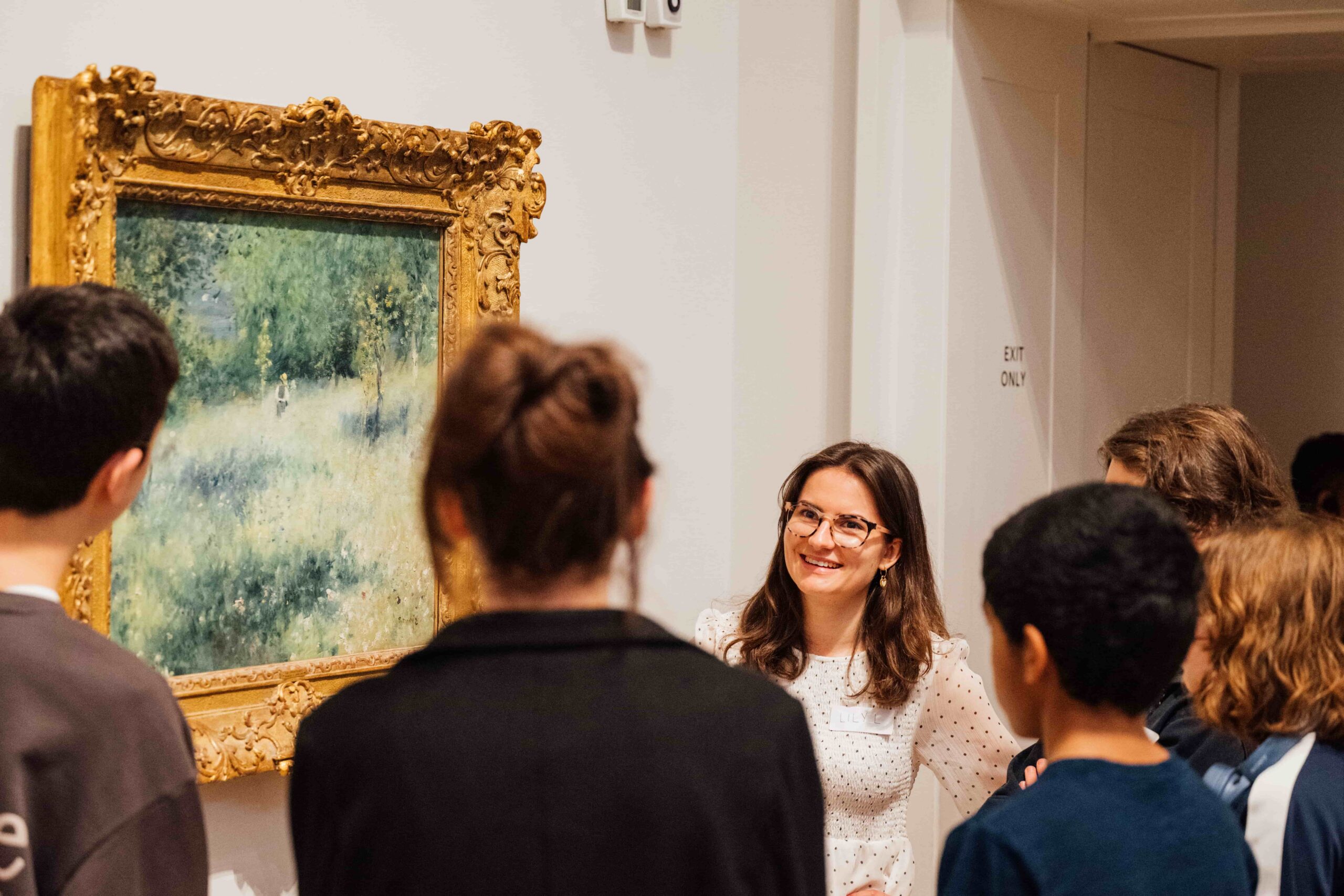
In 2016 the Rothschild Foundation invested in one of their first projects: a free, fast-track AS History of Art course for state school students, delivered on Saturday mornings in a condensed 2.5-hour weekly format and based at The Wallace Collection.
AHLU continued to develop:
- Piloting activity in new locations – including a fast-track AS level Art History course, at the Wallace Collection and National Gallery in 2017-2018
- Piloting new formats – online entirely during the pandemic March 2020 to March 2022 and fully hybrid since 2022
- Establishing new courses around qualifications – Extended Project Qualifications (equivalent to half an A level in terms of UCAS points)and A levels in 2018 and an Introduction to Art History, Higher Level Project Qualification (equivalent to half a GCSE) from 2024-onwards.
- In 2023 AHLU partnered with Waddesdon Manor and Waddesdon Church of England School as a testbed for their new ‘Introduction to Art History’ after-school course exploring the Waddesdon Manor collection.
- Sustained advocacy for Art History education through policy engagement and rigorous research. Gaining national recognition of the charity in 2025 when AHLU’s founder, Rose Aidin, was awarded an MBE for services to Art History and young people.
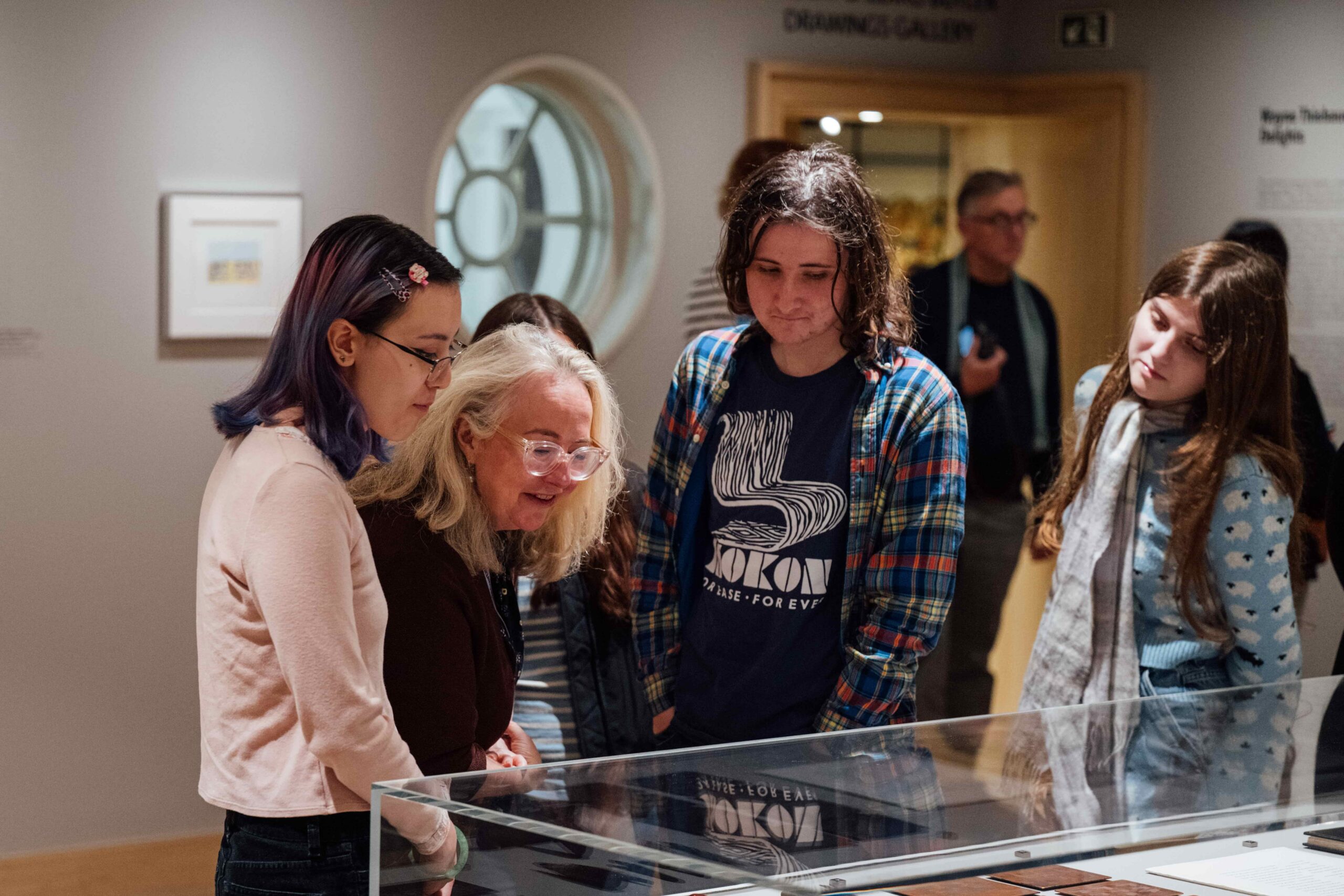
Art History for Everyone at the Wallace Collection and National Gallery: 2017-18
Free Extended fast track AS level-Art History course
26 of 33 students from state-maintained schools (Years 11-12)
18 from Widening Participation (WP) backgrounds.
Over half said they now wish to study Art History at FE/HE and/or pursue careers in the arts as a result of taking the course.
Work experience was arranged for students at a wide range of host organisations.
“The lessons changed the way I look and the way I think about art, and opened a whole new door for me, towards a subject I never dreamed I’d like this much and now will study at university!”
Learning
A culture of reflection and learning has long been embedded within the AHLU team. This is evident in their iterative approach to programme development through pilot courses informed by pupil feedback, building a sustainable model for growth via capacity-building partnerships. This is most visible through the Waddesdon blueprint, which extends AHLU’s approach to partner schools and arts and heritage organisations.
Investment in AHLU since 2016 has included support for the evaluation of its ‘Introduction to Art History’ course, providing robust evidence to strengthen the case for these qualifications and their potential impact on underrepresented students across the UK.
“The next generation of thinkers, curators and practitioners will include AHLU’s alumni.” – Dame Hannah Rothschild DBE
For the Rothschild Foundation, AHLU demonstrates our interest in supporting new ideas and emerging organisations through small catalyst grants and pilot funding. We recognise that robust evaluation can play a vital role in supporting and nurturing innovation across the arts sector.
[1] Under-represented backgrounds in this context refers to students from groups that are historically underrepresented within Art History. This includes, but is not limited to: (1) students identified through Widening Participation measures, such as those entitled to Free School Meals or whose parents or carers did not attend university; and (2) students from underrepresented ethnic backgrounds or communities, diverse gender identities, and/or those with Special Educational Needs.