

Learning & Insight
We are committed to learning through our grant programmes. It informs our approach as a responsive funder and supports organisations addressing the complex issues faced by communities today.
Below, you’ll find insights, data and information about our funding approach. You can also visit our News page for updates on our latest work.
Our Approach to Learning
We see learning as central to strengthening our work – both in how we operate as a funder and in how we support the organisations we work with. By understanding not only how our grants are used, but also how this funding contributes to our grantee’s wider aims, we can refine our practice, make better decisions, and increase the impact of our resources.
Gathering insight
We gather insight through ongoing conversations with funded organisations, the reports they submit, and bespoke evaluations and research linked to our funding priorities. In our conversations we are really interested in what is being learnt, we don’t just want to hear about what went well, sharing challenges and how this has led to a change in approach is extremely useful. This enables us to make informed decisions about how to be effective in a complex and changing environment.
Making space for reflection
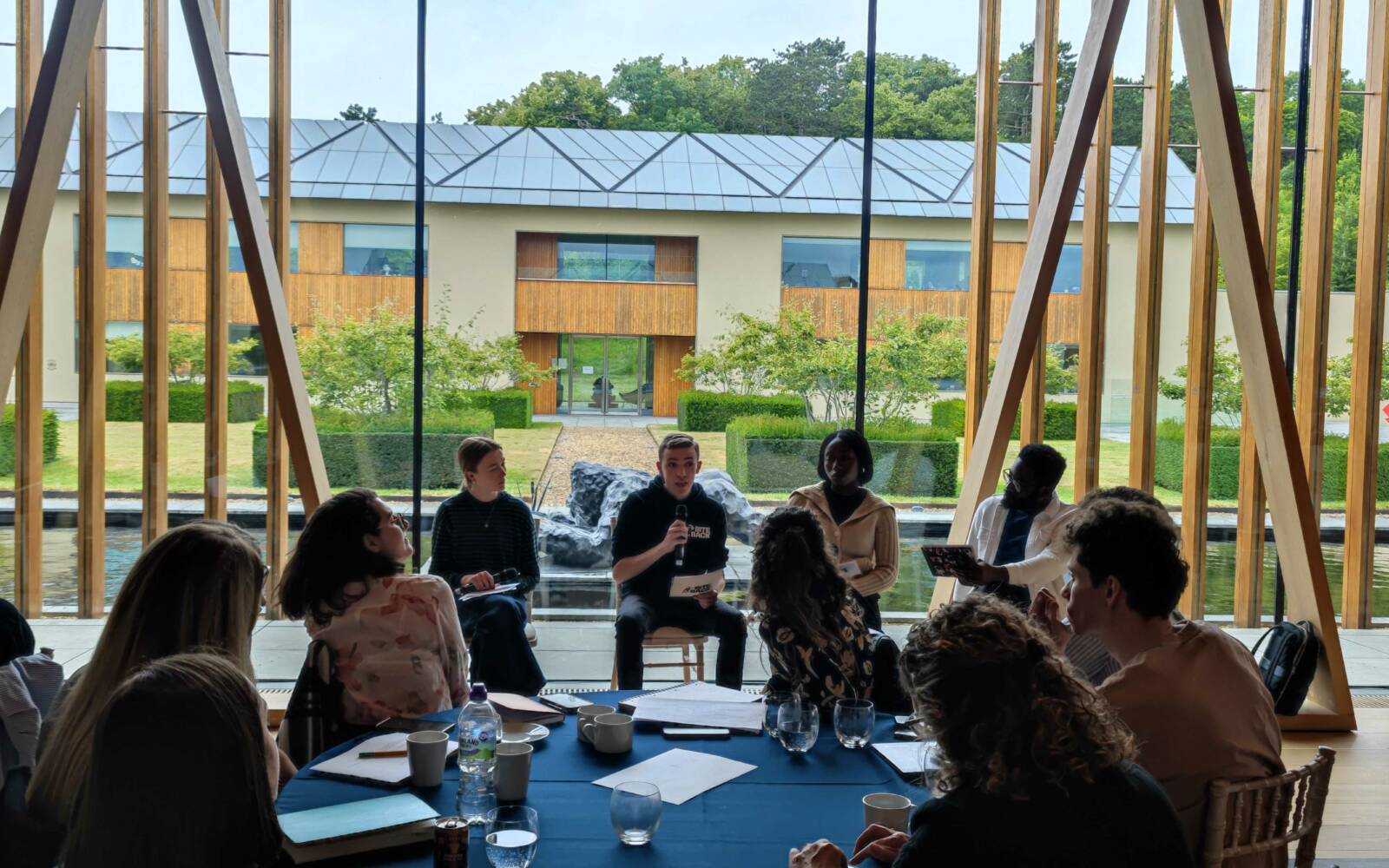
We also recognise the importance of creating space for reflection. Whether through learning conversations with funded organisations or by supporting networking and knowledge sharing events, we aim to learn together from the opportunities, challenges and emerging insights. This helps us shape our programmes and support offer in ways that respond meaningfully to what organisations need.
Convening and collaboration through our Dialogues programme
We believe that greater impact can be achieved through collaboration. We use our Dialogues programme to convene people and foster collaboration around specific issues within our areas of interest. We host these opportunities in the beautiful spaces that we have at Waddesdon, using the environment around us to inspire collective ambition and action.
Light touch reporting
Applicants can be reassured that our reporting requirements are intentionally light touch. We are clear from the outset about what information is needed, and we only ask for what is essential to support learning and accountability. Funded organisations share an annual written report where we are typically interested in:
- Your definition of success and whether this has changed through delivering your funded activity.
- Any particular successes or challenges faced through your work
- How collaborations and relationships with other groups or organisations are supporting your work.
- What have you learned through delivering your work and how you will use this learning going forward.
- A breakdown of different types of beneficiaries reached through your funded activity
We encourage organisations to be in touch outside of formal reporting to share changes in direction and to share learning with the team.
Sharing our Learning
We want to share our learning with the wider charitable sector and other funders, to be transparent about the work we support and our funding priorities, and to contribute to a mutually beneficial conversation.

Grants Reviews
We share an overview of the grant making we do. We hope by being transparent, people interested in applying for funding have a better picture of the work we support and what our funding priorities are.
Open Data
(360 Giving)
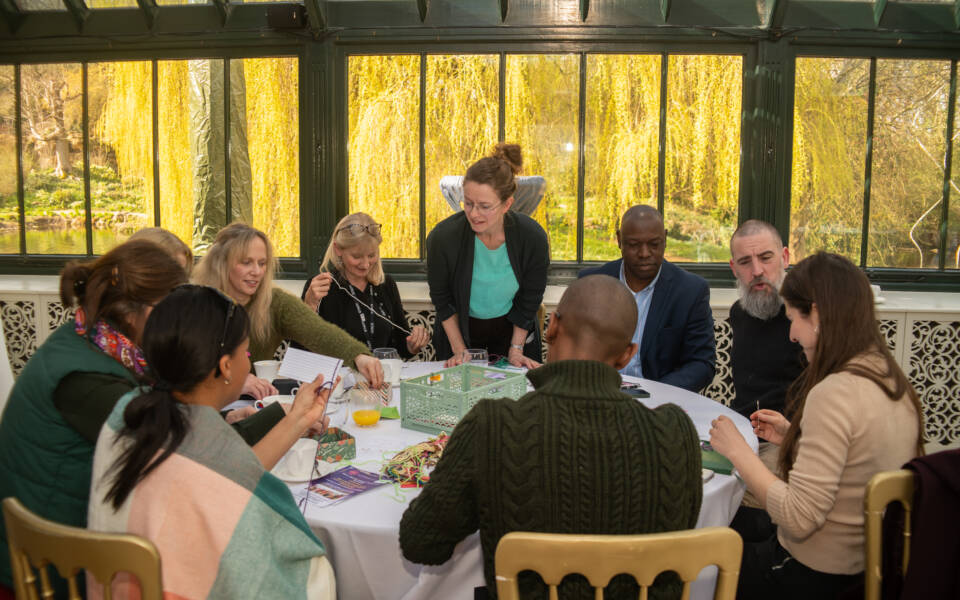
The Rothschild Foundation is committed to transparency and we work with 360Giving to publish information about our grants.
Case Studies
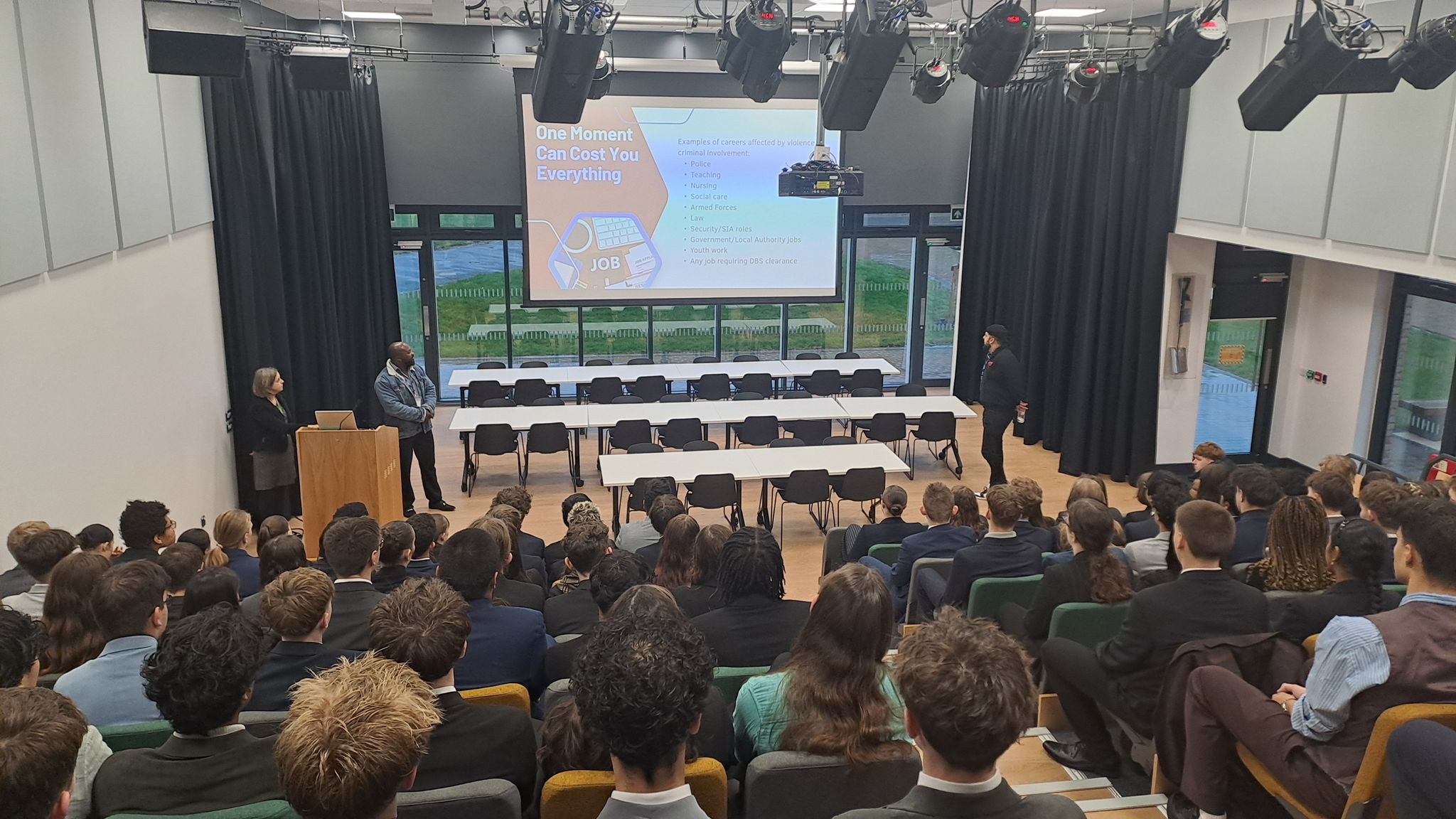
Read some of our recent case studies that share more about funded organisations have delivered, their impact and key learnings.
Asking For Your Feedback on Our Work
We actively seek feedback from funded organisations on our funding programmes, interactions and processes so we can continually improve.
Share your feedback:
- Leave us an anonymised online review through GrantAdvisor UK
- Funded organisations can email their Grant Manager or provide feedback through their annual reporting
- Share anonymised feedback on the application process after an application decision
EEDI (Equality, Equity, Diversity, and Inclusion)
We want to make sure that our funding reaches a broad range of organisations and communities, and that our grant making processes enable this to happen.
We use New Philanthropy Capital (NPC)’s definition of equity in grant-making, which “is about ensuring fair access by acknowledging that different groups and communities don’t all start from the same place. Fair outcomes require processes to be tailored to different needs.”
- We actively gather applicant feedback to improve our funding guidance and processes and offer an Access Support Fund to remove barriers in the application and reporting process.
- We want everyone applying for a grant to have a fair, positive and equitable experience. From August 2025, we have adopted the DEI (Diversity, Equity and Inclusion) Data Standard to better understand who we reach and improve equity.
- Applicants will complete a short DEI monitoring section about their organisations leadership and the communities they serve. You can find more details and guidance on the DEI Data Standard here.
Our Commitment to Equity in Grant Making
We want everyone applying for a grant to have a fair and positive experience. To help us do this, we’re using the DEI (Diversity, Equity and Inclusion) —a shared framework developed by UK funders to better understand who is being reached by funding and where gaps might exist.
By collecting information in the same way as other funders, we can see whether our funding is reaching communities that face systemic barriers—and take action if it isn’t.
How We Talk About Communities
We know that using broad labels to describe people and communities doesn’t always reflect the full picture of individual identities or lived experience. That’s why we aim to:
- Use the terms that people and communities choose for themselves.
- Recognise how different parts of someone’s identity can overlap (e.g. women experiencing racial inequity).
Be thoughtful and respectful in the language we use.
What Information We Collect
To better understand the organisations we support, we collect data on:
- The communities that an organisation is targeting or supporting: Where 75% or more of the people supported or who are intentionally being targeting share a particular identity or experience.
- Who leads the organisation: Where 75% or more of board members and at least 50% of senior staff share a particular identity or experience.
When and How We Collect This Data
Starting from 5th August 2025, we will ask applicants to complete a short DEI monitoring section as part of the application form. This includes selecting categories that apply to your leadership and the communities you work with. Review our guidance on categories and questions included on the application form here.
This information:
- Will not be used to assess your application, unless clearly stated in the Fund criteria.
- Will help us monitor and improve our grant making.
- May be included in data we publish about our grants—but you can opt out of this if needed.
If you have any questions, please contact [email protected].
Frequently Asked Questions:
Will this information affect our application?
No. The DEI data is for monitoring purposes only and won’t influence funding decisions unless the fund criteria says otherwise.
How were the categories chosen?
They were developed through research and consultation with charities and community organisations. We’ve also included open text boxes so you can describe anything that doesn’t fit the categories provided.
What do you mean by ‘lived experience’?
Lived experience means personal experience of an issue—like being in care, facing long-term unemployment, or involvement with the criminal justice system. This shapes how people understand and respond to these issues.
What if our organisation doesn’t meet your definition of ‘led by’ a community?
That’s okay. If your leadership includes people with relevant lived experience in other ways, you can explain that in the free text boxes on the form.
How monitoring, evaluation and learning (MEL) shapes our direction
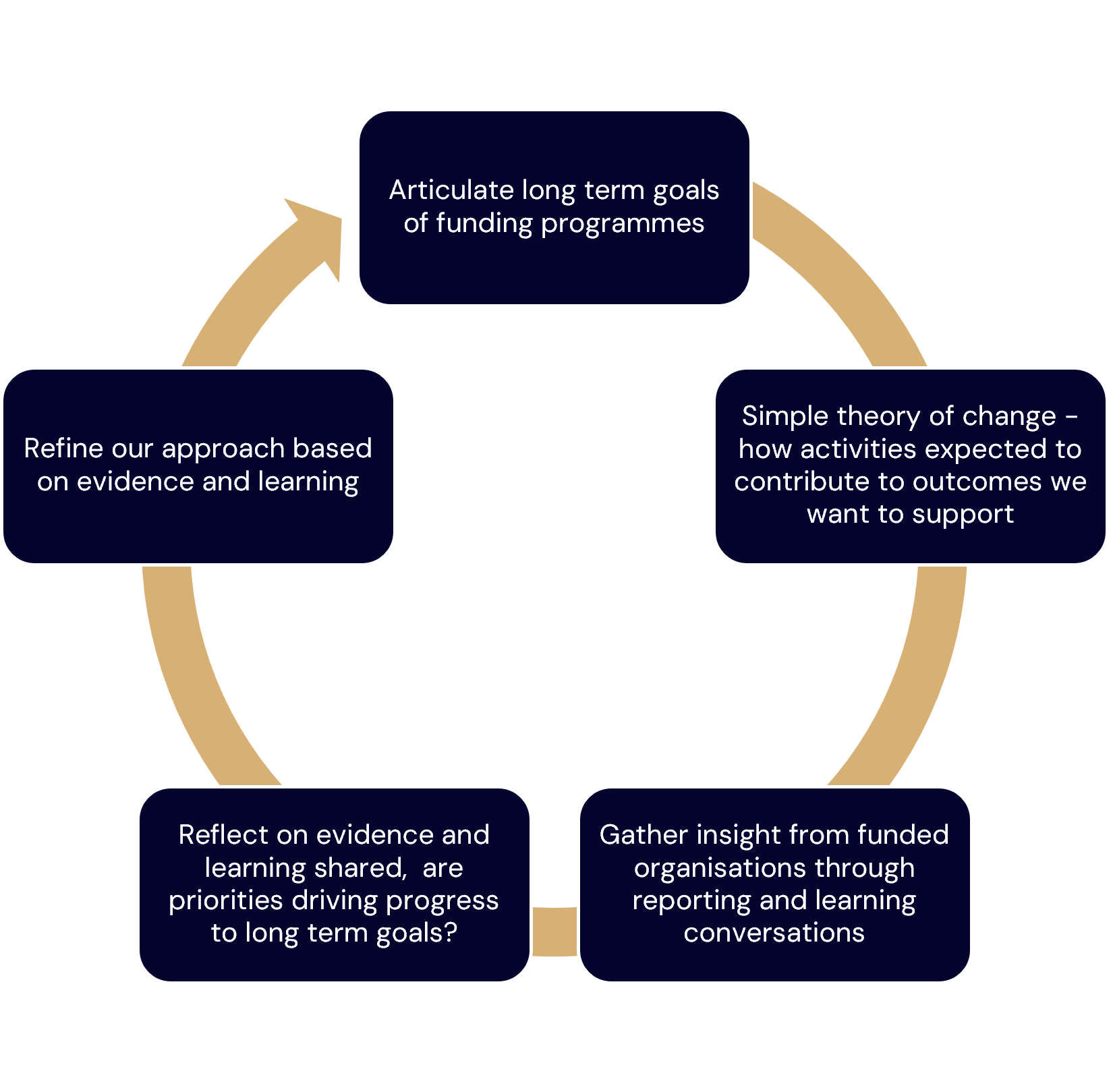
To strengthen our understanding of the impact of our grant-making, we have developed simple theories of change for several of our funding programmes. These explain what we aim to achieve and how funded activities are expected to contribute to our priorities and desired outcomes. You can find these aims outlined on our funding pages.
Learning from funded organisations helps us assess whether our priorities are driving progress towards our long-term goals. This is a two-way process: their insights shape our funding programmes, and as we develop our monitoring, evaluation and learning (MEL) approach, we will continue to involve funded organisations in refining our strategy and creating opportunities to learn together.
Positive Outcomes from MEL
- Driven by insights into the volume of applications received through our community fund programme and the resulting decline in success rate, we established a Grassroot Grants Fund in 2026 through Heart of Bucks Community Foundation. This provides £200k of grant-funding for community groups and small-scale charitable organisations seeking a grant of up to £5,000.
- For our strategic arts programme in Buckinghamshire, we have commissioned a consultation on the meaning of resilience to understand more what this means to them, to support us to shape this programme in response to the needs of the sector.