Fund: Community Fund
Who
For over 29 years, Alternatives to conflict (formally Mediation Bucks) has provided a free, volunteer-led conflict resolution service across the Thames Valley. They help communities, individuals, and families address neighbourhood, family, and intergenerational conflicts. Working closely with the police, housing associations, schools, family centres and other agencies to reduce harm caused by unresolved conflicts.
What
ATC’s mission is to address conflict at its roots, through an early intervention people-centred approach, creating stronger relationships and promoting lasting resilience for children, young people, and families.
Recognising the strength of Alternatives to Conflict’s approach, the Rothschild Foundation awarded a two-year grant in 2022, and following evidence of its success, this led to a multi-year grant in 2024.
In year one of their recent grant they:
- Received 155 referrals, support 75 families, directly benefiting 230 individuals, each receiving person centred support based on their individual circumstances and needs.
“Thank you for letting me articulate things, as that was helpful for me in trying to make sense of everything.” (father)
“We have used every service we could think of. Wish we had come to you first. In two hours, you made more of a difference to our situation than anything else we’ve tried.” (parents)
“I feel like we can talk again without shouting. It feels different now.” (Mother & ex-wife)
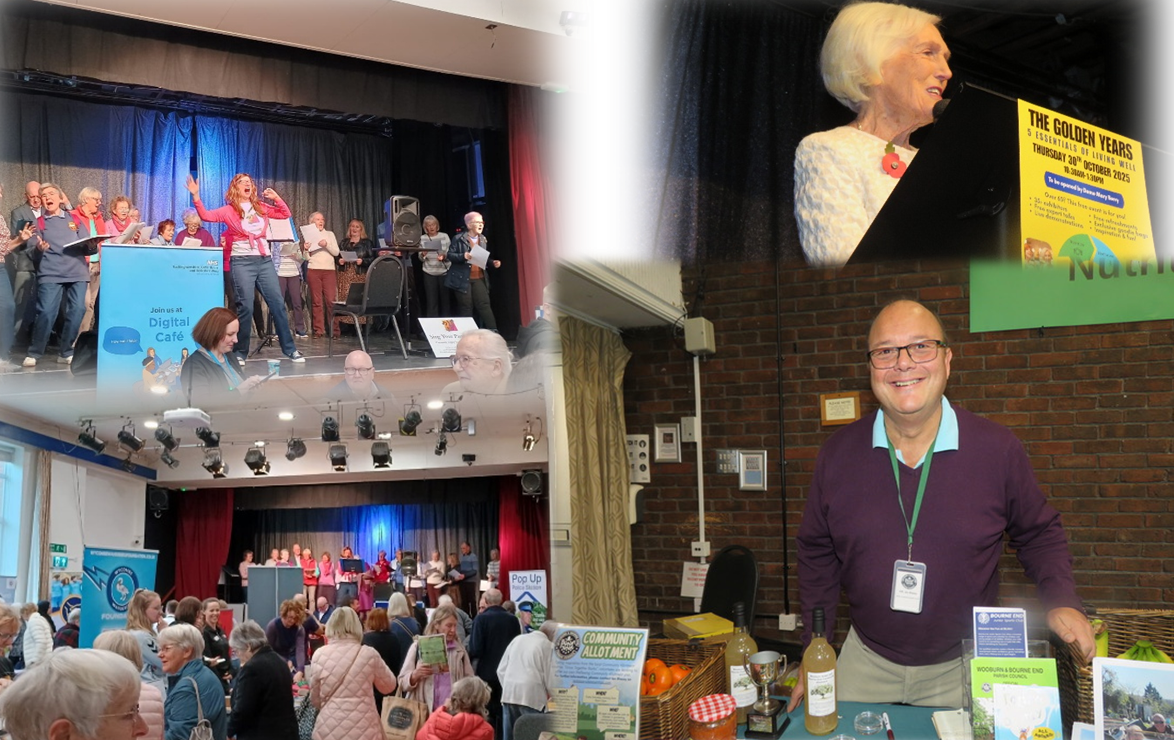
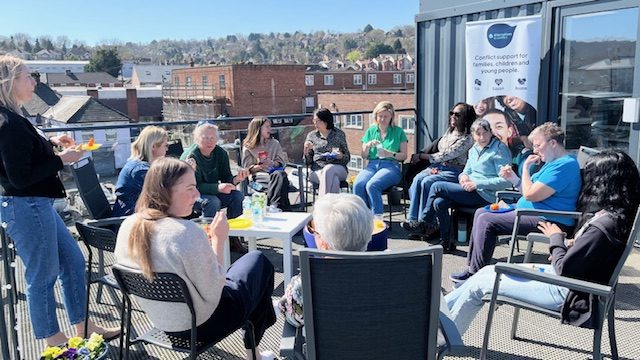
- 30 community engagement events reaching approx. 750 people, increasing understanding of conflict resolution approaches, reducing stigma around seeking help, and strengthening connections with local partners and communities.
“We are proud of ourselves we have got our community back and although he is still here, we have learnt how to manage, and bingo is back” (82 year old in sheltered scheme)
- Development and launched the Young Peacemakers Programme, working with 60 teachers and 35 students at two schools, designed to equip young people and schools with the tools to recognise and manage conflict constructively. Early feedback has been positive, with discussion underway to expand the programme into more schools.
“I didn’t think anyone would listen. Now I feel I can speak and people hear me.” (14 year old)
Learning
Through ongoing engagement with partners, referrers, and the communities they support, ATC has learnt that demand for their service is far higher and more complex than expected, with conflict often extending beyond the individuals involved to wider family networks and institutions such as schools. This has led them to adopt a multiparty, person-centred approach that includes more individual meetings, additional sessions, and a flexible pace that recognises the impact of trauma, instability, and prolonged conflict. By slowing down and adapting to people’s needs, they have seen stronger outcomes, with participants reporting greater resilience, control, and ability to sustain progress. In response, ATC has adjusted their processes, timescales, and expectations, to ensure interventions are not rushed.
To meet rising demand ATC set out a plan to establish a young volunteer programme in partnership with universities, engaging eight young volunteers across their three-year grant to focus on supporting children and young people. This approach is helping ATC to ensure their service remains accessible, with 20 volunteers supporting funded activity. In year one they have seen a shift in their volunteer demographic, with more applications from younger individuals and those from diverse backgrounds.
This case study highlights the value of interacting and partnering with others in the community – from building understanding of local needs through dialogue with schools, youth workers and community organisations, to delivering activity in collaboration, such as community engagement events with local partners. It also shows how placing people at the centre of their approach ensures services remain relevant and accessible, whether through tailored support that responds to individual circumstances and needs, or by ensuring volunteers benefit from high-quality training and meaningful experiences that enhance their personal and professional development.